Students at this small school move in and out of support and extension groups as their skills change, and the classmates who stay behind get more of the teacher’s time.
A child in a reading group at Arcadia Public School this term may not be in one next term. The school plans it that way. As students pick up new skills and show progress, their needs are reassessed, groupings are adjusted, and the school stresses that a student is never defined by the group they happen to be in. Support follows what the child needs now.
The arrangement leans on size. The school’s largest class has 20 students, a figure it points to as the reason teachers can know children as individuals, recognise their strengths and respond to their learning needs.
Deciding who goes where starts with regular assessment and close monitoring of progress. Teachers use Department of Education and other standardised assessments in English and mathematics to find students who would benefit from extra help, and those who would benefit from extension.
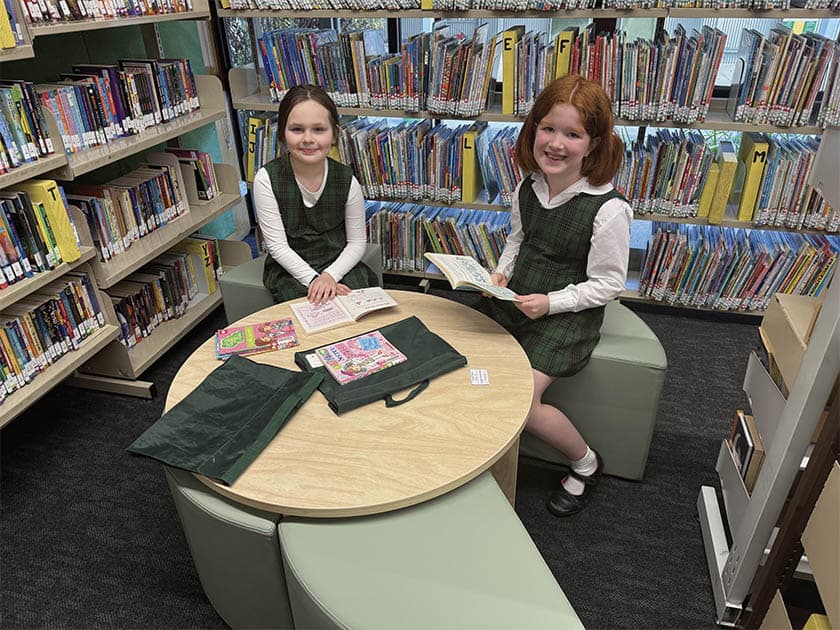
Help comes in targeted small groups built around specific gaps in learning. MacqLit, one of the programs on offer, gives explicit instruction in essential reading skills, and the school’s literacy groups are currently concentrating on writing. Regular assessments check how each student is travelling and set the next steps.
Extension groups work in the other direction. In English, students take on sophisticated novels and look closely at vocabulary, symbolism, inference, and character motivations. In mathematics the focus is reasoning and problem-solving, with opportunities to enter the APSMO Maths Olympiad and Maths Games.
There is a knock-on effect for everyone else. When students leave for a small-group session, fewer remain in the classroom, and teachers have more time to teach those who stay individually.
The school has places in every year group. Families can contact the school office to arrange a personalised tour.