By Isaac Olson, Nursery Near Me
The first weeks of real heat sort a garden into the plants that cope and the plants that need rescuing. In the Hills and Hawkesbury, where the summer runs hot and dry with a storm thrown in, the trick is to plant things that were built for it. Here are five that earn their place in a local garden, and a few notes on getting them through their first season.
Lilly pilly for the boundary
If you want a screen that is green all year, handles a hard clip and comes back from the odd dry fortnight, the lilly pilly is still the one to beat. Choose a compact variety for a hedge under three metres and a taller one for privacy from a two storey neighbour. Plant in autumn or early spring if you can, water deeply once a week through the first summer, and clip after each flush of new growth so it thickens from the base.
Crepe myrtle for colour in the heat
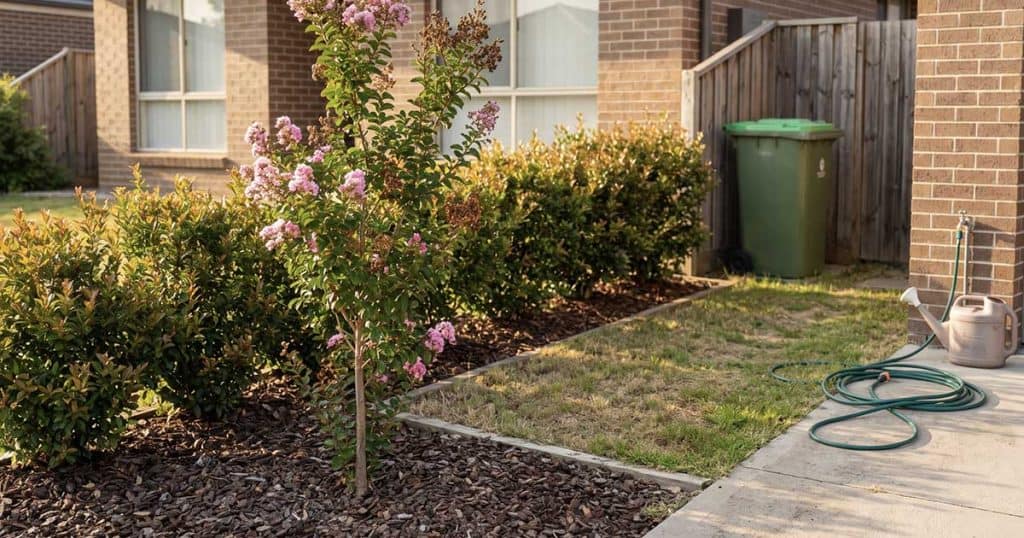
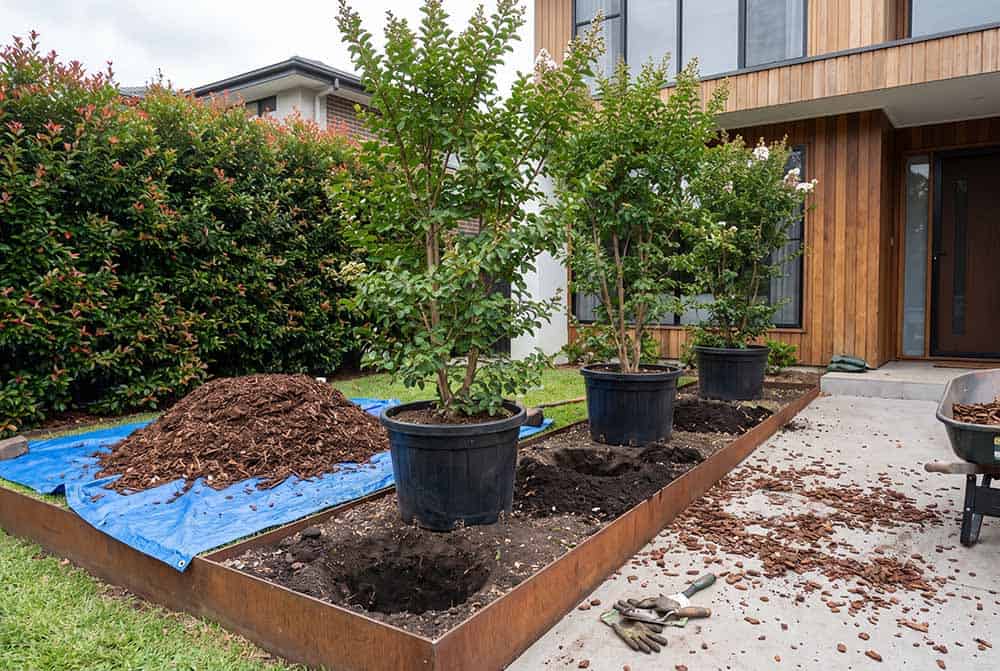
Crepe myrtles flower from December into March, exactly when most of the garden has given up, and they do it on very little water once established. The smaller varieties stay under four metres and suit a front garden; the bark and autumn colour carry them through the rest of the year. Give them full sun and good drainage and leave the pruning until late winter.
Westringia for the hard spots
Native rosemary is the plant for the strip along the driveway, the slope that bakes all afternoon and the spot where the hose does not reach. It takes heat, wind and poor soil, clips into a neat ball or low hedge, and flowers in flushes through the year. It is the plant to put in before you give up on a difficult corner.
Grevillea for the birds
A grevillea in flower is the quickest way to bring honeyeaters into a Hills garden, and the modern hybrids flower for most of the year. Plant on a slight mound in heavy soil, keep the fertiliser low in phosphorus, and tip prune after flowering to keep the shape. Once the roots are down they need almost nothing.
Agapanthus for the edges
Agapanthus takes the heat, the shade under a gum tree and the neglect of a holiday away, and still lines a path with blue in December. Choose a sterile variety so it stays where you put it, and divide the clumps every few years.
Getting them through the first summer
Whatever you plant, the first summer is the one that matters. Soak the soil well before you plant, mulch to a hand’s depth and keep the mulch off the stems, and water deeply once or twice a week rather than a little every day, so the roots follow the water down. Pots dry fastest of all, so group them in afternoon shade and check them daily. Do that for one season and the plants above will look after themselves for years.
Isaac Olson is a director of Nursery Near Me, an Australian online nursery that delivers plants, trees and hedging to the Hills and Hawkesbury, at nurserynearme.com.au