Orchid care will take centre stage at this month’s Galston District Garden Club meeting, where guest speaker John Graham brings his talk “Bizarre Botany” to members and visitors alike.
The club meets on the 2nd Wednesday of the month at Galston Community Hall, 34 Arcadia Road, Galston, starting at 7.30pm, and newcomers are welcome to sit in. A cup of tea and supper rounds things off once the talk wraps up.
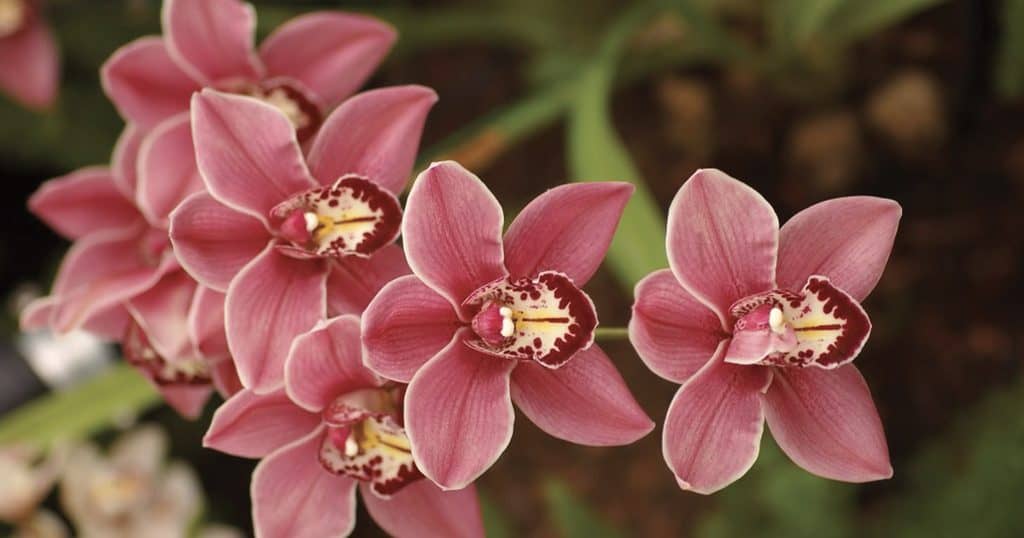
For anyone weighing up whether to bring an orchid along or just come for the chat, cymbidiums are worth a mention. According to Yates, they’re about as easy an orchid as you’ll find to grow, though getting them to actually flower is another story — a line that draws a knowing laugh from most gardeners in the room.
Light turns out to be the deciding factor. Too much direct sun scorches the leaves; too little and the plant simply won’t bloom. Dappled light sits in the sweet spot, and in frost-prone gardens, cymbidiums can be brought indoors as long as they’re kept somewhere well-lit.
The leaves themselves tell the story — a healthy plant carries light apple-green foliage, while deep green leaves usually mean it’s sitting in too much shade. The general rule is shade through spring and summer, then a bit more light through late summer and autumn, all while keeping the plant away from strong wind or overly exposed spots.
Watering trips up plenty of growers. Cymbidiums evolved as tree-dwellers, which is why their roots are thick and built to soak up moisture rather than sit in it. A coarse orchid mix with good drainage is essential, and the pot should never be left standing in a saucer of water.
One trick doing the rounds at the club is the pencil test — push an unpainted wooden pencil down through the roots and into the mix, then pull it out. If it comes out damp, the plant doesn’t need watering yet. Winter calls for a lighter hand altogether, since cymbidium roots don’t cope well with cold, wet conditions.
Feeding follows the flowering cycle. Once a plant finishes blooming — or once the neighbours’ cymbidiums have finished, if yours hasn’t flowered yet — it’s time to start fertilising. Dynamic Lifter pellets, sprinkled lightly every six weeks or so, suit the spring feeding period.
After Christmas, growers typically switch to a liquid flower-promoting feed such as Thrive Orchid Food, applied fortnightly since it doesn’t last as long in the mix. Come spring, a crowded orchid can be divided and repotted, though the advice is to go easy on the splitting — break a clump into too many small sections and it’ll take that much longer before any of them flower again.
More information on the Galston District Garden Club is available at www.galstongardenclub.com.au or by emailing [email protected].