by Marie Palmer
Currently Australia is experiencing weather extremes, particularly extreme heat this summer. Gardeners would have noticed plants flowering at unexpected times, plants suffering from heat stress and soil drying out. Many of the plants grown in Australian gardens are native to countries in the Northern Hemisphere and these plants are having difficulty in coping with the current extreme heat.
All plants are stressed by extremely hot days or excessive rain. Australian native plants and some plants native to southern African and Mediterranean countries such as salvias, lavenders and gazanias cope better.
Plants have inbuilt systems to counteract heat and loss of moisture. Camellias and gardenias have hard, shiny leaves whilst other plants have leaves that curl under, droop or even drop so the surface area and evaporation is lessened. If given some TLC these plants can recover.
What can be done to help plants survive? Check soil is absorbing water. If water stays on the surface then the soil has probably become hydrophobic. Gently loosen the soil and apply a wetting agent following the instructions on the product you choose. This can also happen with potted plants, again, check that water is being absorbed and, if not, apply a wetting agent.
Mulch garden beds and potted plants ensuring the mulch does not touch the stem of plants.
Install an automated drip watering system and use self-watering pots. If using porous pots, such as terracotta or concrete, seal the inside of the pots to slow evaporation.
On days of extreme heat make sure roots are kept moist – water the roots not the leaves. Leaves may shrivel, dry out and die but often if the root ball is kept moist the plant will recover once the weather changes. It is best if you do not immediately remove dead leaves as they offer some protection to new shoots. If plants are in pots move them to shaded areas, even inside temporarily. If in the ground cover the more susceptible plants with shadecloth. There are aerosol products available that help plants cope with heat stress.
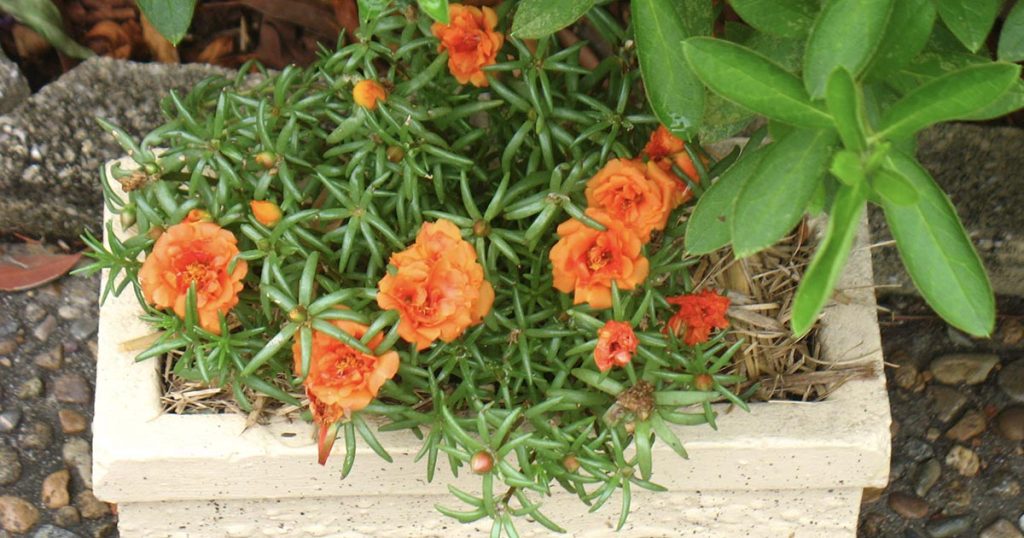
If you want colour in the garden during our current hot summers think about portulaca, vincas, gazanias and small salvias. Many plants, like begonias and bromeliads, provide colour and cope with extreme heat provided they are in the shade.
Whilst it is always enjoyable to walk around your garden, during extreme weather conditions it is essential to do so every day, preferably in the early morning or late afternoon so plants that are stressed are noticed and some TLC applied.
Lastly, don’t forget to keep any birdbaths or water bowls used by birds, lizards and insects full of fresh, cool water.