As summer settles in across the Hills, the Galston Garden Club is preparing to wrap up another busy year before taking its traditional Christmas break, with meetings set to resume in February.
At the time of writing, club members are keeping a close eye on the weather forecast as they look forward to one of the region’s most cherished community traditions — the Galston Open Gardens Weekend. The annual charity event brings together gardeners, locals, and visitors from across Sydney, and this year eight generous property owners have once again opened their gates in support.
The event is a true community effort, backed by an enthusiastic network of volunteers. Members of the Galston and Dural Garden Clubs join forces with the Middle Dural Rural Fire Brigade and the local Masonic community, working the gates and offering support across the weekend. Their combined efforts help ensure the event continues to thrive, raising funds for local causes while giving the public a rare chance to explore some of the district’s most impressive private gardens.
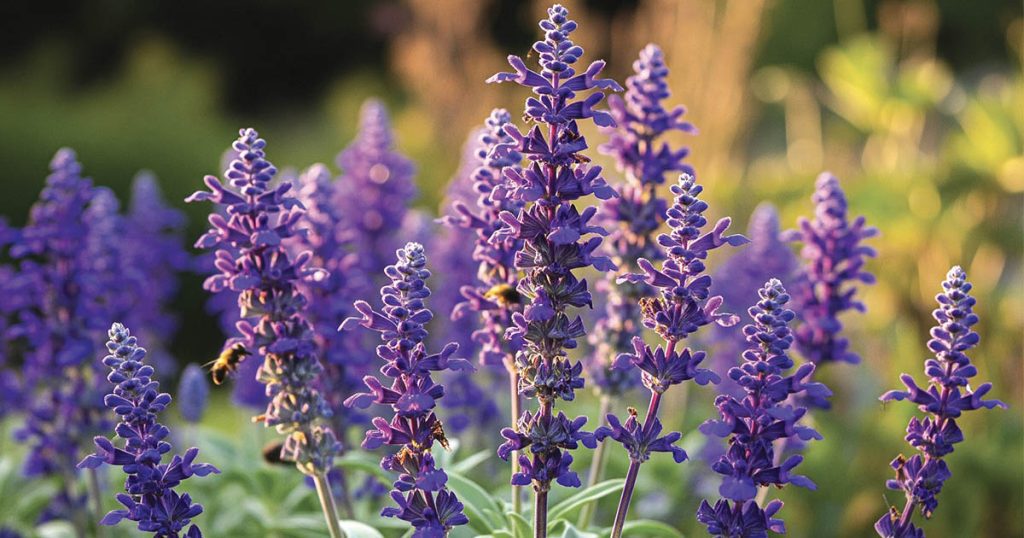
Among the standout performers in many gardens this year has been the Salvia — a plant that has firmly earned its place in Australian backyards. Known commonly as sage and belonging to the mint family, this resilient genus includes more than 900 species found across the globe. Highly valued for their bursts of colour, aromatic foliage and knack for attracting pollinators, salvias suit a wide range of climates and garden styles.
Their appeal is undeniable. Hardy, drought-tolerant and easy to maintain once established, salvias thrive in full sun and well-drained soil. Gardeners relish their long flowering season, with blooms appearing from spring to autumn in shades spanning deep purples and blues through to reds, pinks and crisp whites. Many varieties produce tall flower spikes that tower elegantly above the foliage, while others form low-spreading ground covers ideal for borders or large beds. A quick deadhead keeps them blooming and looking tidy through the season.
Beyond their ornamental charm, several salvia species have practical uses as well. Salvia officinalis — common sage — remains a staple in kitchens for its earthy, aromatic flavour, while species like white sage hold cultural and traditional significance in communities around the world.
Environmentally, salvias are prized for their nectar-rich flowers, which help sustain local bee, butterfly and bird populations. Their natural resistance to pests makes them an easy, eco-friendly choice for gardeners looking to build more sustainable outdoor spaces. And for those wanting to expand their collection, salvias propagate readily from seeds or cuttings, making them as economical as they are attractive.
With a successful Open Gardens Weekend ahead and another year of growth behind them, the Galston Garden Club is already looking toward 2026. Meetings will resume in February, held on the second Wednesday of each month at the Galston Community Hall, 21 Arcadia Road, Galston, at 7.30pm.
More information is available at galstongardenclub.com.au or via email at [email protected]