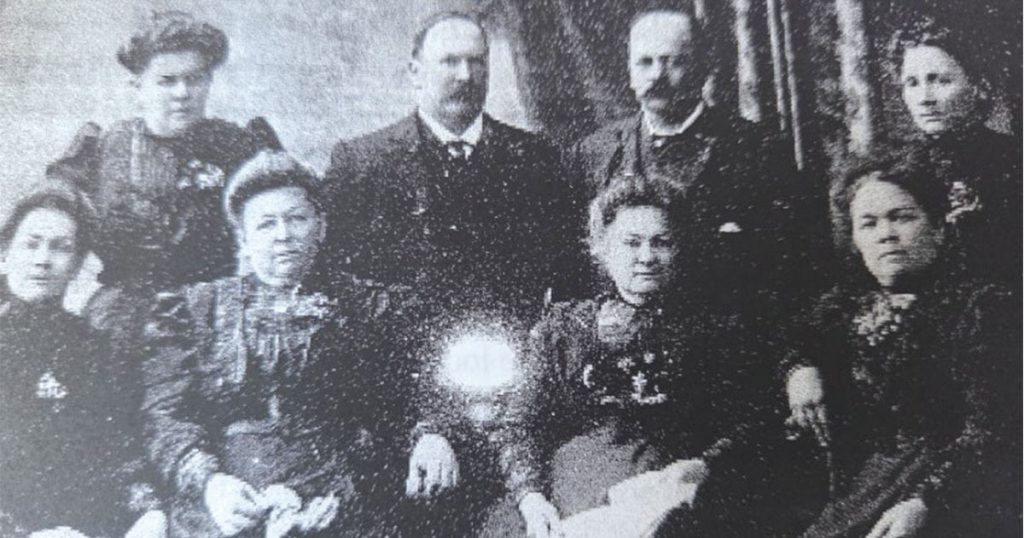
Surviving children of Thomas & Eliza Hughes. Photo taken 1905-1910
Back row Mildred Susan, George Henry, Thomas, Rebecca Front row Fanny, Mary Frances, Eliza, Hannah. Ernest Albert died in 1886.
The Hughes family name is woven deeply into the history of Glenorie, and the second chapter of their story reveals just how significant their contribution has been. Last month, readers were introduced to the family’s beginnings through the convict past of Matthew Hughes and Mary Small, who raised 14 children. Their eighth child, Thomas Hassall Hughes, married Eliza Spurway—herself the daughter of transported convict George Spurway—and the pair settled in the Ryde district. There, Thomas established an orchard in the Dundas area and raised nine children, one of whom was also named Thomas.

In 1889, this younger Thomas married Fanny Neil, setting up life in Field of Mars before relocating to Glenorie around 1914. It was here, along Cairnes Road, that Thomas and Fannie raised their 11 surviving children after the loss of their infant son William. They earned their living through a mix of orchard work and the breeding, selling, breaking and training of horses—an occupation Thomas embraced with evident passion. His knowledge of horses extended beyond the farm; he used his teams and equipment to help construct roads throughout the district.
The Hughes family quickly became an essential part of the Glenorie community. Thomas is remembered for transporting the Methodist Church building from Beecroft to its present site using his horses and a timber slide. Fannie played her own pivotal role, helping establish the church and serving for many years as superintendent of the Sunday School.
Their children—many of whom later formed connections with other long-established local families—were Irene (who died young), Alfred (“Jack”), Maude, Herbert, Agnes, Allan, Neil, Frank, Elsie, Thomas and Gordon. Most remained in the district as adults, living along Cairnes Road, Moores Road and Harrisons Lane, and running orchards, farms and sawmills. Collectively, they were among the residents who helped lay the groundwork for important local institutions, including the Glenorie Co-operative and the district’s RSL club.
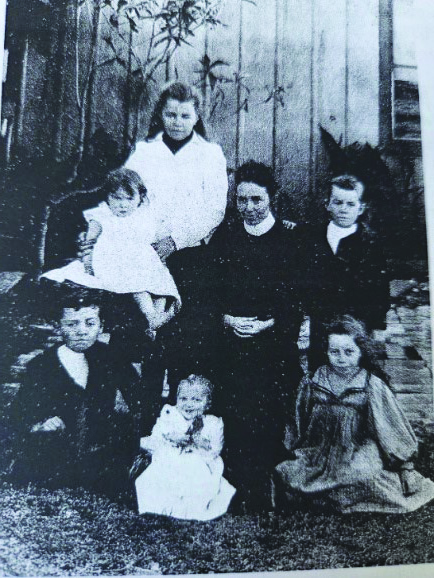
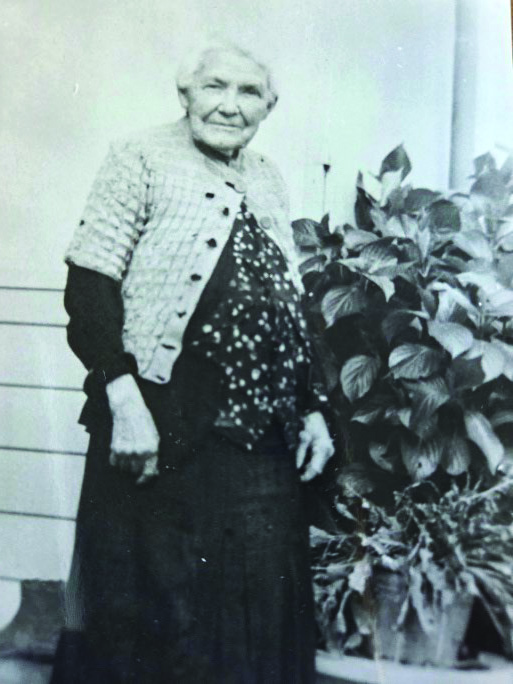
Generations of Hughes children passed through Glenorie Public School, and one former principal is said to have quipped, “It must be Friday because all the Hughes boys are at school and not working on the farm.” Fridays, of course, were market days—an unspoken rule in rural life dictating that no farm work was done.
The legacy of the Hughes family continues to shape Glenorie, their story reflecting the resilience, industry and community spirit that built the region.