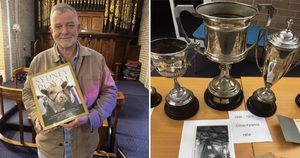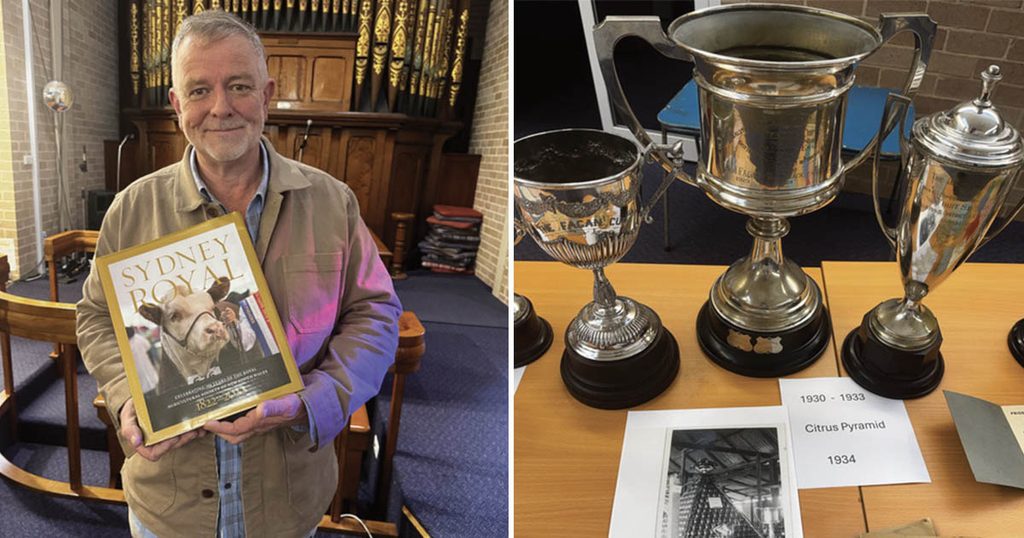
Royal Easter Show trophies belonging to Jenny Bradley’s grandfather sat on the table at the Dural and District Historical Society’s May meeting, but the afternoon turned out to be about much more than silverware. It was about what communities choose to remember and what they almost let disappear.
That question sits at the heart of the Society’s founding purpose: to research and record the history of the area once known as The Durals.
Over the years, local organisations have quietly handed over their old records, trusting the Society to keep them safe. Recently, the Hayes Family added to that collection, donating papers that a researcher could spend months working through.
Those documents cover the early mechanics of community life, agricultural development, the building of a library, a community hall, and a cenotaph, the subdivision and sale of land, and the running of dances and agricultural shows. To read them is to watch a town take shape, one decision at a time.
Murray Wilton, General Manager of the Royal Easter Show, came as a guest speaker in May and gave every attendee a copy of the Show’s bicentennial book. The afternoon was enjoyable in that loose, unhurried way that only happens when the right people end up in the same room.
On Saturday, 13th June, member Judy Horton OAM takes the floor at the 2.00 pm meeting, also at Galston Uniting Church, School Road, Galston. Her subject is Joseph Aaron Booth, the local stonemason whose work is still visible in the memorials and homes of this community. Judy’s research led her down more than a few unexpected paths.
The Society’s History Cottage is also open on the last Sunday of each month, 1.00 to 4.00 pm the next being Sunday 28th June. Members are on hand to help anyone beginning their own research into family or local history.